


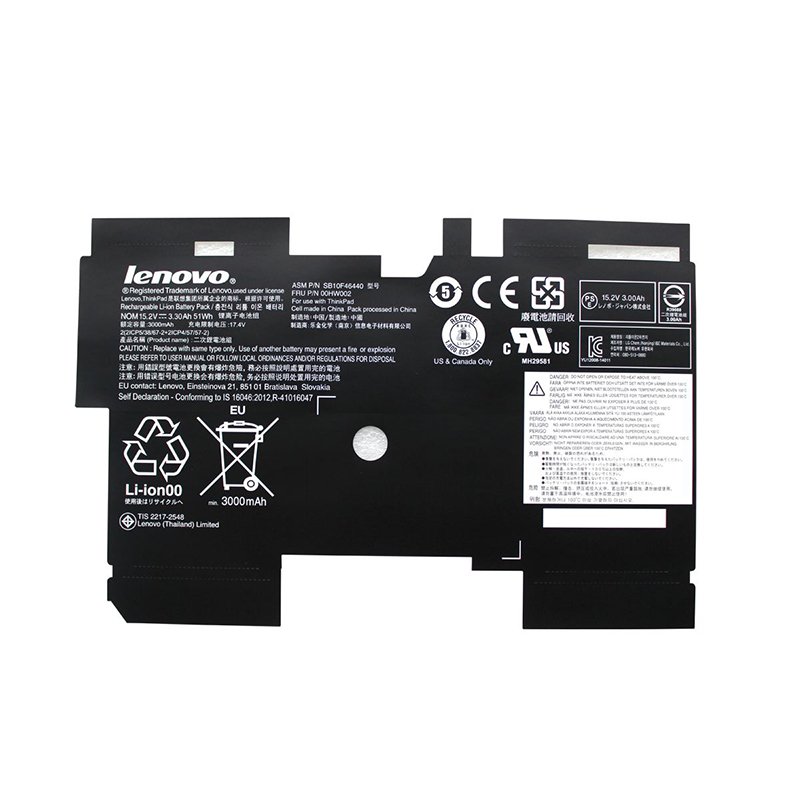
What is the scope of application of battery labels?
- Individual batteries: Labels applied directly to batteries of various types, such as AA, AAA, button cells, or lithium-ion batteries.
- Battery packs: Labels placed on battery packs used for devices like laptops, power tools, or electric vehicles.
- Battery packaging: Labels applied to the external packaging of batteries or battery packs for retail sale.
How to select the correct battery labels?
- Label size and design: Choose a label that fits the battery or packaging size and clearly displays the necessary information.
- Material: Opt for a durable, heat-resistant material that can withstand the battery’s operating conditions.
- Adhesive: Select an adhesive that adheres well to the battery surface and remains in place throughout the battery’s life.
- Printability: Ensure the label material is compatible with your printing method and provides clear, legible print quality.
- Compliance: Verify that the label meets relevant industry standards and regulations for your specific application.
What raw materials can be selected?
- Paper: A cost-effective option, but may not be suitable for high-temperature or harsh environments.
- Polyester: Offers good durability, heat resistance, and moisture resistance, making it suitable for various battery types.
- Polyimide: Provides excellent heat resistance and durability, ideal for high-temperature battery applications such as lithium-ion batteries.
- Vinyl: A flexible, durable material that can conform to curved or irregular battery surfaces.
What should I pay attention to when pasting battery labels?
- Surface preparation: Ensure the battery or packaging surface is clean, dry, and free of dust, dirt, or grease for optimal adhesion.
- Temperature: Apply the label at an appropriate temperature, as extreme temperatures can affect adhesion and the performance of the label. Follow the manufacturer’s recommendations for the ideal temperature range for application.
- Alignment: Properly align the label to ensure a professional appearance and maximize its effectiveness in providing essential information.
- Application pressure: Apply firm, even pressure to the label to ensure it adheres securely and without bubbles or wrinkles.
- Compatibility: Make sure the label material and adhesive are compatible with the battery material and any additional coatings or treatments applied to it.
- Storage conditions: Store unused labels in a cool, dry place away from direct sunlight to prevent damage or degradation.
- Follow manufacturer’s instructions: Always adhere to the manufacturer’s guidelines for label application and handling to ensure optimal performance and compliance with regulations.


Reviews
There are no reviews yet.